
We often take the meaning of signs for granted but that’s far from the case in a linguistically and culturally diverse society. The instruction to “Swim between the flags!”, for instance, can be interpreted in multiple ways – some of which may actually heighten rather than reduce risk.
In this episode of the Language on the Move Podcast, Dr Agnes Bodis talks to Dr Masaki Shibata from Monash University in Melbourne, Australia. Dr Shibata researches beach signs in Australia and how they are understood by beachgoers and what consequences this has for beach safety.
If you enjoy the show, support us by subscribing to the Language on the Move Podcast on your podcast app of choice, leaving a 5-star review, and recommending the Language on the Move Podcast and our partner the New Books Network to your students, colleagues, and friends.
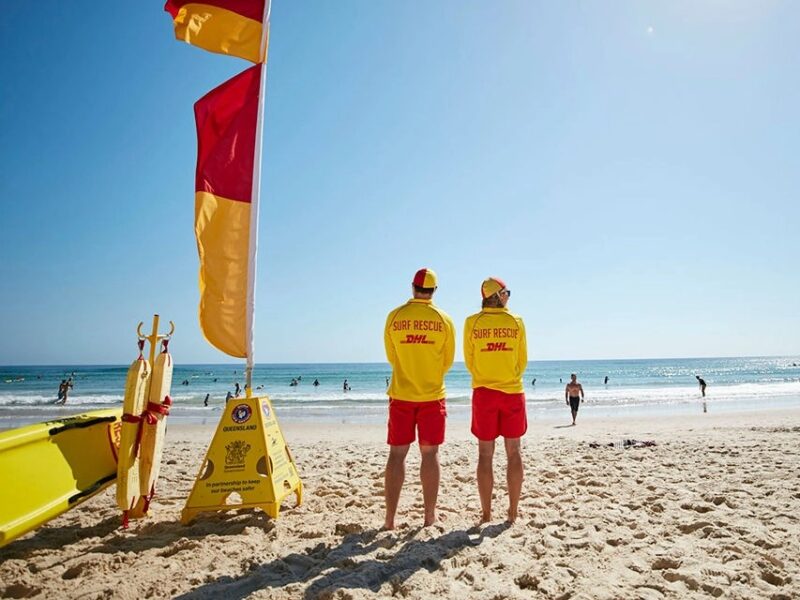
Surf Rescue Australia (Image credit: Australian Government, Study Australia)
References
Shibata, M. Peden, A., Watanabe, H., Lawes, J..(2024) “Do red and yellow flags indicate a danger zone?”: Exploring Japanese university students’ beach safety behaviour and their perceptions of Australian beach safety signage. Safety Science. DOI: https://doi.org/10.1016/j.ssci.2024.106606
Shibata, M. Peden, A., Lawes, J., Wong, T., Brander, R.(2023) “What is a shore dump?: Exploring Australian university students’ beach safety knowledge and their perceptions of Australian beach safety signage”. Safety Science. DOI: https://doi.org/10.1016/j.ssci.2023.106366





 This work is licensed under a